procare

Author name: ProcareHQ

Blogs

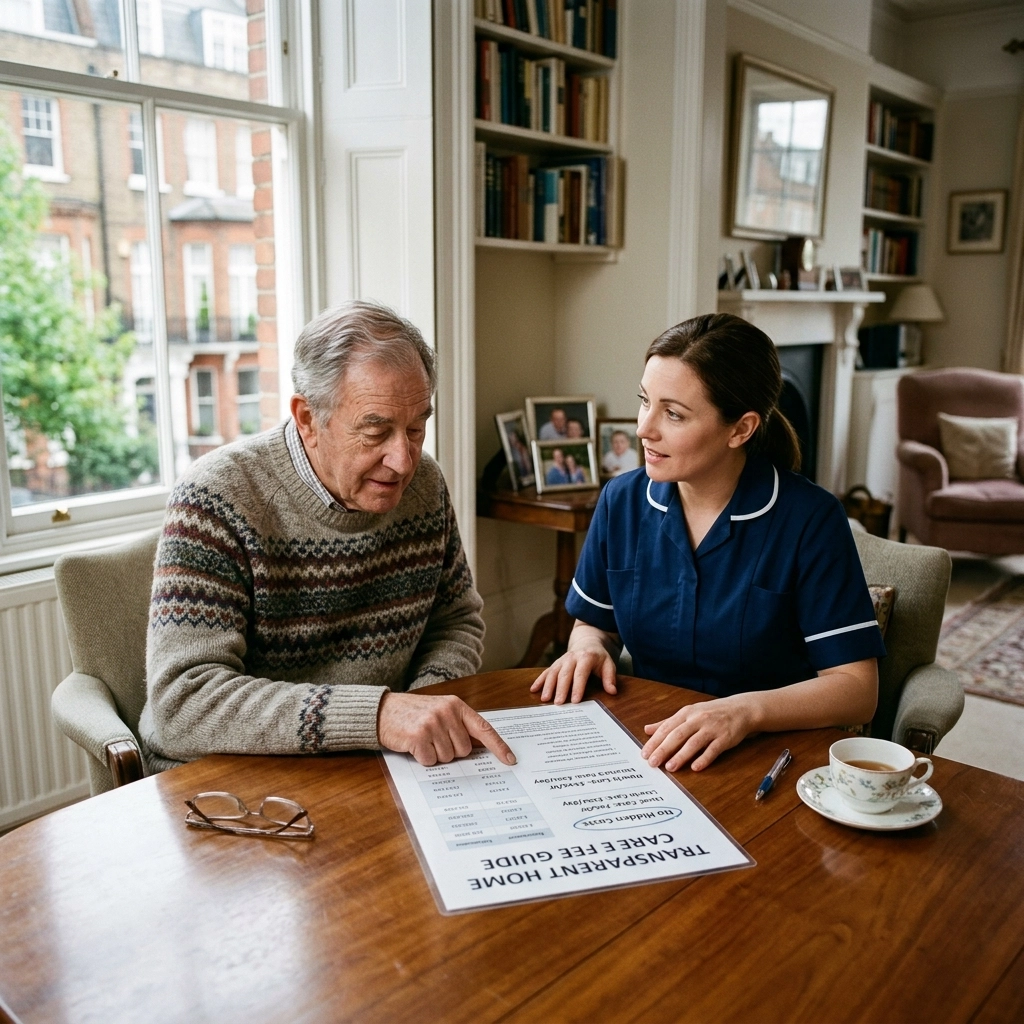
Does Transparent Pricing Really Matter? The Truth About Private Home Care Fees in London

If you’ve spent any time looking for private home care services in London, you’ve probably noticed something a bit frustrating. You visit a website, look for a price, and instead of a clear number, you find phrases like “starting from,” “prices on application,” or a list of “additional service charges” that would make a budget airline blush. Our management team sees this all the time. When a family member starts to struggle, perhaps a mum in Chelsea who isn’t as steady on her feet, or a dad in Fulham who’s becoming a bit forgetful, the last thing you want is a math puzzle. You want to know that they are safe, and you want to know what it’s going to cost so you can plan for the future. In this post, we want to pull back the curtain on home care fees in the capital. We’re going to talk about why transparency isn’t just a “nice to have,” but a fundamental part of providing high-quality, compassionate care. The London Care Maze: Why the Numbers Keep Shifting Let’s be honest: London is an expensive place to live and work. Whether you’re in Kensington or Battersea, the cost of living reflects the quality of life we enjoy here. Naturally, this trickles down into care costs. Research shows that for self-funders in the UK, rates usually sit between £26 and £38 per hour. In Central London, it’s not uncommon to see rates climb above £35 per hour for standard care. But the problem isn’t necessarily the hourly rate, it’s the “hidden extras” that catch families off guard. When you’re looking at private home care services in London, you might encounter: Admin or “Onboarding” Fees: Some agencies charge hundreds of pounds just to set up the file. Travel Costs: Charging extra for the carer’s bus or tube fare. Weekend and Bank Holiday Surcharges: Sometimes doubling the rate without clearly stating it upfront. Assessment Fees: Charging you for the initial meeting where we discuss your loved one’s needs. At ProCare, we think that’s a bit rubbish. We believe that if we’re going to be a supportive member of your community, we need to be honest from the first “hello.” Why Transparency is the Ultimate Peace of Mind You might wonder, “Does it really matter if the pricing is a bit vague, as long as the care is good?” The truth is, transparency is actually a huge indicator of quality. If a care provider is open about their fees, they are usually just as open about their care logs, their staffing, and their mistakes (because everyone is human). Transparency creates trust. When you aren’t worrying about a surprise invoice at the end of the month, you can focus on what actually matters: spending quality time with your loved one. Instead of being an “accountant” for your parent’s care, you get to be their son or daughter again. Real-Time Accountability In the modern world, transparency isn’t just about the bill; it’s about what happens during the hour we’re in the home. One of the ways we ensure peace of mind is through our technology. Families can see exactly when a carer checks in and out, what tasks were completed, and even if medications were taken. This level of visibility means you’re never in the dark. If you’re at work in the City and your mum is at home in Holland Park, a quick glance at your phone tells you everything is okay. That is the “truth” about modern care fees, you aren’t just paying for a person’s time; you’re paying for a system that keeps everyone safe and informed. Bespoke Care: One Size Never Fits All Another reason pricing can get murky is that care is rarely “standard.” Every person we visit in Knightsbridge or Putney has a different life story and different needs. We offer three main pillars of support, and we keep the pricing clear across all of them: Personal Care: This is the hands-on stuff, helping with dressing, bathing, and morning routines. It’s about dignity and keeping someone feeling like themselves. Home Support: This is often the “bridge” to independence. It includes light housework, meal preparation, and running errands. It’s perfect for those who are mostly independent but need a helping hand to keep the house running smoothly. Specialist Care: This includes dementia support and care for complex conditions. This requires specific training and a very gentle, patient approach. Even though these services are “bespoke,” your quote shouldn’t be a mystery. We sit down with you to create a plan that fits your budget and your needs, ensuring there are no “nasty surprises” later on. The CQC: Your Safety Net When you are looking for private home care services in London, you must check if the provider is CQC regulated. The Care Quality Commission (CQC) is the independent regulator of all health and social care services in England. Being regulated means we are held to incredibly high standards of safety, effectiveness, and, you guessed it, transparency. Agencies that aren’t regulated (often called “introductory agencies”) don’t have the same level of oversight. We’re proud to be CQC regulated because it gives our families an extra layer of protection. It means our carers are properly vetted, our processes are audited, and our pricing structures are fair. Serving Our Local London Neighborhoods We aren’t a giant, faceless corporation. We are local. We know the shortcut through Parsons Green and we know exactly how long it takes to get to a client in Earls Court during rush hour. Our heart is in Central and West London. We provide: Trusted home care in Chelsea Compassionate support in Hammersmith Dedicated home care in Wandsworth Reliable care in Clapham By staying local, we keep our travel times down and our reliability up. It’s much easier to provide “friendly” support when our carers feel like they are part of the neighborhood. A Quick Checklist for Families If you are currently shopping around for care, here are five questions to ask to

Blogs

Recover Safely at Home: Expert Post-Hospital Care Services in London

There is a unique sense of relief that comes with being told you’re ready to leave the hospital. After days or weeks of clinical sounds, bright lights, and strict schedules, the thought of sleeping in your own bed and making a cup of tea in your own kitchen is incredibly comforting. However, for many families in London, that relief is often joined by a whisper of anxiety: “Are we really ready for this? How will we manage once the nurses aren't there?” At ProCare, we understand that the journey doesn’t end when you walk out of the hospital doors; in many ways, the most important part of your recovery is just beginning. Transitioning back to daily life requires more than just a ride home: it requires a safe, structured environment where healing can continue without the pressure of "doing it all" at once. This guide explores how professional home care in London: and specifically reablement services: can turn a daunting discharge into a successful, safe recovery. Understanding the Bridge: What is Hospital to Home Care? Hospital to home care is a specialized service designed to bridge the gap between a clinical setting and total independence. In the busy boroughs of Kensington & Chelsea and Hammersmith & Fulham, the transition can feel particularly fast-paced. One moment you are under 24/7 observation, and the next, you are navigating the stairs of a Victorian terrace or trying to manage complex new medications on your own. Our role is to step into that gap. We don’t just provide a service; we provide a safety net. Whether you are recovering from a planned surgery, a sudden illness, or a fall, having a professional caregiver waiting at home ensures that the first few days: the most critical period for avoiding readmission: are handled with expert precision and kindness. The Power of Reablement You might hear healthcare professionals mention "reablement." It’s a word we use a lot at ProCare because it perfectly describes our philosophy. Unlike traditional care, which might focus on doing things for a person, reablement is about doing things with them. The goal of reablement is to help you or your loved one regain the skills and confidence needed to live independently again. It’s a short-term, intensive approach that focuses on: Restoring Physical Function: Practicing safe movement around the home. Building Confidence: Encouraging you to take small, safe steps toward self-care. Adapting Techniques: Finding new ways to perform daily tasks like dressing or cooking while you heal. Safety Assessments: Ensuring the home environment doesn't pose a risk for trips or falls. By focusing on these areas, we help reduce the likelihood of needing long-term care, giving you back your independence as quickly as possible. Navigating Discharge in West London London’s healthcare landscape is world-class, with institutions like Chelsea and Westminster Hospital and Charing Cross Hospital providing exceptional acute care. However, once medical stability is reached, hospitals need to free up beds, and the discharge process can feel rushed. We have deep roots in the community, providing compassionate home care in Kensington and dedicated support in Hammersmith. Because we know these local areas so well, we can coordinate quickly with discharge teams to ensure that when the taxi arrives at your door, a ProCare carer is already there, the fridge is stocked, and the heating is on. We often find that families in Hammersmith & Fulham or Kensington & Chelsea feel they "should" be able to cope alone, especially if they have a strong family network. But professional recovery support isn't a sign of weakness; it’s a strategic choice to ensure the best possible medical outcome. Why Recovering at Home is Better for the Spirit While hospitals save lives, homes heal souls. There is significant evidence that patients recover faster and more fully in familiar surroundings. Lower Infection Risk: Hospitals are full of bugs that a recovering immune system doesn't need to fight. Better Sleep: Nothing beats the quiet of your own bedroom and the comfort of your own mattress. Personalized Nutrition: Eating the foods you actually enjoy, prepared the way you like them, is essential for regaining strength. Mental Wellbeing: Being surrounded by your photos, your pets, and your memories reduces the "hospital delirium" and confusion that can sometimes affect older adults during long stays. Our team at ProCare prioritizes this emotional aspect of recovery. We aren't just there to check boxes; we are there to provide a warm, reassuring presence that acknowledges the frustration of a slow recovery while celebrating every small victory. How ProCare Supports Your Safe Recovery When you choose ProCare for your home care in London, you aren't just getting a "visitor." You are gaining a coordinated team that uses technology and heart to manage your health. 1. The Initial Assessment Before discharge, or immediately upon arrival, we conduct a thorough assessment. We look at the clinical requirements: wound care, medication, physical therapy exercises: but we also look at the human requirements. What are your fears? What is your favorite morning routine? 2. Medication Management Post-hospital medication regimes can be confusing. We ensure that prescriptions are collected, organized, and administered correctly, preventing the dangerous "double-dosing" or missed doses that often lead to hospital readmissions. 3. Mobility and Fall Prevention A fall during recovery can be devastating. Our carers are trained in safe transfer techniques and can assist with the mobility exercises prescribed by your physiotherapist. We also keep a sharp eye out for hazards like loose rugs or poor lighting in the hallways of your London home. 4. Household Management Recovery is exhausting. You shouldn't be worrying about the laundry or the washing up. By taking over the light housework and meal preparation, we allow you to dedicate 100% of your energy to getting better. Preparing the Home: A Checklist for Families If you are a family member preparing for a loved one’s return to Chelsea, Fulham, or any of our service locations, here are a few practical steps you can take: Clear the Path: Remove clutter from main

Blogs

How Much Does Live-In Care Cost? Weekly Rates & Full Breakdown

Choosing the right care for a loved one is one of the most significant decisions a family can make. It’s a journey filled with love, concern, and, quite often, a bit of confusion regarding the logistics. When you start looking at live-in care in London, the first question on everyone's mind is usually: "What is this actually going to cost, and what are we getting for our money?" At ProCare, we believe that transparency is the foundation of trust. You aren't just hiring a service; you are welcoming someone into your home and your family’s life. Whether you are navigating the beautiful, leafy streets of Wandsworth or the historic neighborhoods of Kensington, understanding the financial side of private home care services in London shouldn't feel like solving a puzzle. In this guide, we’re going to break down everything you need to know about live-in care fees, weekly rates, and exactly what is included in that support. What Exactly is Live-in Care? Before we dive into the numbers, it’s worth clarifying what we mean by live-in care. Unlike visiting care, where a carer pops in for an hour or two, live-in care involves a professional carer moving into your loved one’s home. They are there 24/7 to provide support, companionship, and safety. For many families in London, this is the gold standard of care. It allows your mum or dad to stay in the home they love, surrounded by their memories, while receiving the same: if not better: level of support they would get in a residential care home. Understanding the Cost: Weekly Rates for Live-in Care in London We know that "it depends" is a frustrating answer when you're trying to budget. However, because care is deeply personal, the costs are tailored to the individual's needs. In the world of private home care services in London, you will typically see weekly rates fall into a few different brackets based on the level of support required. 1. Standard Live-in Care (Companionship & Basic Support) This is for individuals who are still relatively mobile but need a helping hand with the day-to-day. Weekly Rate: Typically ranges from £1,100 to £1,350 per week. Who it’s for: Those who need help with cooking, cleaning, medication reminders, and the reassurance of someone being there overnight. 2. Enhanced Care (Higher Physical Needs) If your loved one has mobility issues, requires help with personal care (bathing, dressing), or has early-stage dementia, the level of skill required increases. Weekly Rate: Typically ranges from £1,350 to £1,600 per week. Who it’s for: Individuals who need more hands-on physical assistance or frequent support throughout the day. 3. Complex or Specialist Care For those living with advanced dementia, Parkinson’s, or complex medical conditions requiring specialist equipment (like syringe drivers or hoists), the fees reflect the higher level of expertise. Weekly Rate: Usually starts from £1,650+ per week. Who it’s for: Families needing peace of mind that a highly trained professional is managing complex health needs. Note: For couples living together in Wandsworth or Kensington, live-in care is exceptionally cost-effective. You can often support two people for a small additional supplement rather than paying for two separate rooms in a care home. What Is Included in the Fee? When you see a weekly rate, it’s important to know that it covers far more than just "someone being in the house." At ProCare, our fees are designed to be all-encompassing so that you don't have to worry about "add-on" charges for every little task. Personal Care and Physical Support This is the core of what we do. It includes: Morning and evening routines: Helping your loved one get in and out of bed safely. Dressing and grooming: Ensuring they feel and look their best. Bathing and toileting: Maintaining dignity and hygiene with a compassionate touch. Mobility assistance: Helping them move around their home or enjoy a walk in a local park. Household Management A live-in carer keeps the home running smoothly. This includes: Nutritious meal preparation: Cooking fresh, healthy meals based on personal preferences. Light housework: Keeping the kitchen clean, vacuuming, and tidying. Laundry and ironing: Ensuring clothes and bed linens are always fresh. Grocery shopping: Managing the food cupboard and running errands. Emotional Well-being and Companionship This is the "spirit" of care. We don't just look after bodies; we look after people. Companionship: Having someone to chat with over a cup of tea or watch a favorite show with. Mental stimulation: Engaging in hobbies, reading together, or playing games. Social life: Helping them stay connected to the community, whether it's a visit to a Kensington cafe or a stroll through Wandsworth Common. Clinical and Administrative Oversight Behind every carer is a professional team. Your fee also covers: Care Planning: Regular reviews to ensure the care level is still right. Medication Management: Ensuring the right doses are taken at the right times. 24/7 Support: Access to our management team for emergencies or advice. Coordination with GPs: We act as a bridge between your family and London’s healthcare providers. Are There Any Extra Costs? We hate "hidden" fees as much as you do. When you speak with us, we provide a clear breakdown. However, there are a few standard things to keep in mind: The Carer’s Food: Usually, families provide a small weekly food allowance (approx. £35–£45) or include the carer in the household grocery shop. Travel Expenses: If the carer uses their own car to take your loved one to appointments, a standard mileage rate usually applies. Bank Holidays: Like most professional services in the UK, care on bank holidays is usually charged at a higher rate (often double time). Why Choose Live-in Care Over a Residential Home? In areas like Kensington and Wandsworth, the cost of a high-end nursing home can easily exceed £1,800 to £2,500 per week per person. When you compare this to live-in care in London, the value becomes clear: One-to-One Attention: In a care home, one staff member might look after 5 or 10 residents. With live-in

Blogs

Best Home Care Agencies in London: How to Choose the Right One for Your Family

Choosing the right home care in London is one of the most significant decisions you will make for your family. It is about more than just ticking boxes or finding someone to help with the housework; it is about finding a companion who brings peace of mind, safety, and a sense of dignity back into the home. In a city as fast-paced as London, the options can feel overwhelming. From the historic streets of Westminster to the leafy commons of Wandsworth, there are hundreds of agencies to choose from. But how do you know which one will truly treat your loved one like family? At ProCare, we believe that the best care starts with understanding. We’ve put together this guide to help you navigate the selection process, ensuring you find a partner who values your loved one’s independence as much as you do. 1. Start by Identifying Your Unique Needs Before you start searching for an agency, take a quiet moment to think about what a “good day” looks like for your loved one. Every person is different, and their care should be, too. Ask yourself: Do they need physical help? This might include assistance with getting dressed, bathing, or managing medication. Is companionship the priority? Sometimes, a friendly face to share a cup of tea and a walk in the park is the most important part of the day. Are there complex health needs? Conditions like dementia or mobility issues require specialized knowledge and a patient, steady hand. By understanding these needs early on, you can look for an agency that doesn’t just offer “care,” but offers the right care. 2. Why “Local” is a Game Changer in London London is a collection of unique villages, and care is always better when it’s local. When an agency has a strong presence in your specific borough, such as Wandsworth or Westminster, it makes a world of difference. Local carers don’t just know the shortcuts to avoid traffic; they know the community. They know the local pharmacies, the best spots for a gentle stroll, and they are nearby if an emergency arises. At ProCare, we pride ourselves on being a supportive member of the local community, ensuring our team is always within reach when you need us most. 3. The Gold Standard: Checking Credentials When you invite someone into your home, trust is everything. In the UK, the “gold standard” for safety and quality is the Care Quality Commission (CQC). Always ensure the agency you choose is CQC regulated. This means they are regularly inspected to ensure they are safe, effective, caring, responsive, and well-led. It provides an essential layer of protection for your family. Additionally, in our modern world, your privacy matters. Look for an agency that is ICO certified. At ProCare, we are fully committed to data protection, ensuring that all personal information and care records are handled with the highest level of security and confidentiality. 4. The ProCare Difference: Our 1-Hour Minimum Visit One of the biggest complaints families have about home care in London is the “rushed visit.” Many agencies send carers for 15 or 30 minutes, barely enough time to say hello, let alone provide meaningful support. We do things differently. At ProCare, we have a minimum 1-hour visit USP. Why? Because quality care cannot be rushed. A full hour allows our carers to: Properly listen and engage in conversation. Prepare a nutritious meal without hurrying. Ensure all personal care is handled with patience and dignity. Identify any small changes in health or mood that might otherwise be missed. Bolding the importance of time is vital; it transforms a clinical “task” into a genuine human connection. 5. Assessing the “Care Model” and Continuity Stability is the foundation of comfort, especially for older adults. When you interview an agency, ask about their approach to continuity of care. Will your loved one see a different person every day, or will they have a dedicated carer who learns their routine, their likes, and their dislikes? We believe in building relationships. Having a familiar face arrive at the door reduces anxiety and builds a bond of trust that is essential for well-being. 6. Technology That Keeps You Connected Even if you live across the city or further away, you should always feel involved in your loved one’s care. Modern home care should use technology to bring families closer, not push them away. Ask potential agencies if they use a digital system for care logs. At ProCare, we use a dedicated dashboard that allows family members to see real-time updates. You can see when a carer has arrived, what they’ve helped with, and any notes they’ve left about the day. It’s about transparency and peace of mind. 7. Comparing Costs Without the Confusion We understand that the financial aspect of care can be a source of stress. When comparing “home care London” rates, look for transparent pricing. Some agencies might have a low hourly rate but add “hidden fees” for weekends, bank holidays, or travel. Always ask for a clear breakdown of what is included. At ProCare, we believe in being upfront and honest, providing clear rates so you can plan for the future without any nasty surprises. 8. Your Selection Checklist: Questions to Ask When you speak with an agency for the first time, keep this checklist handy. A good agency will be more than happy to answer these with kindness and clarity: “Are you CQC regulated and ICO certified?” “What is your minimum visit length?” (Remember, look for at least 1 hour!) “How do you match carers to clients?” “What happens if our regular carer is unwell?” “How can I see updates on my loved one’s daily care?” “Can you provide care in my specific area, like Wandsworth or Westminster?” Taking the Next Step with Confidence We know that searching for care often comes at a time of high emotion. Perhaps there has been a recent fall, or maybe you’ve noticed that your parent is becoming a little

Blogs

The Ultimate Guide to 24/7 Live-In Care in London

Choosing how to care for a loved one as they age or recover from an illness is one of the most significant decisions a family can make. We often hear from families in London who feel caught between two worlds: they want their parents or partners to be safe and well-supported, but they also know how much “home” means to them. The familiar creak of the floorboards, the view of the garden from the kitchen window, and the comfort of sleeping in their own bed are things that a residential home simply can’t replace. This is where live-in care in London comes in. At ProCare, we believe that no one should have to choose between professional safety and the comfort of their own home. Live-in care offers a middle ground, a way to have 24/7 support while remaining in the place you love most. What Exactly is Live-in Care? In its simplest form, live-in care is when a professional carer moves into your home to provide around-the-clock support. It is a one-to-one relationship where the carer is there to assist with everything from medical needs to making a cup of tea exactly how you like it. Unlike visiting care, where a carer might pop in for an hour, a live-in carer is a consistent presence. They become a trusted companion who understands your routine, your preferences, and even your favorite stories. For many Londoners, this consistency is the key to maintaining a high quality of life while managing the challenges that come with age or disability. Why London Families are Choosing Live-in Care London is a vibrant, bustling city, but it can also feel isolating for older adults. The pace of life is fast, and navigating the city can become daunting. Live-in care provides a “safety net” that allows people to stay connected to their local community. Whether it’s a stroll through Battersea, a visit to a local cafe in Chelsea, or just keeping up with the neighbors in Clapham, having a live-in carer means you don’t have to give up your lifestyle. The Benefits of One-to-One Support Personalised Attention: In a care home, staff look after many residents at once. With live-in care, you are the sole focus. Safety and Peace of Mind: Knowing there is someone in the house 24/7 reduces the risk of falls and ensures help is immediate if an emergency occurs. Consistent Companionship: Loneliness is a major health risk. Having someone to talk to, share meals with, and watch TV with makes a world of difference. Maintaining Routines: You decide when you wake up, when you eat, and when you go for a walk. We work around your schedule, not the other way around. 24/7 Support: More Than Just a Presence When we talk about 24/7 support, we mean more than just having someone in the spare room. It’s about a responsive, attentive care model that adapts to your needs as they change throughout the day and night. Day-to-Day Assistance During the day, your carer is your partner in living. They can help with: Personal Care: Assistance with bathing, dressing, and grooming with dignity. Medication Management: Ensuring the right pills are taken at the right time. Nutrition: Preparing fresh, healthy meals that cater to your dietary needs. Housekeeping: Keeping the home tidy, doing the laundry, and running errands. The Reassurance of Night-time Care Night-time can often be a source of anxiety for seniors and their families. At ProCare, we offer different levels of night support depending on your needs. For some, having a “sleep-in” carer who is there if they wake up and feel disoriented is enough. For others with more complex health needs, we can provide “waking night” care where the carer stays awake to monitor health and provide assistance. Caption: A peaceful London home setting where a resident feels safe and supported throughout the night. Serving Our London Community ProCare is deeply rooted in London. We understand the unique layout and logistics of the city, and we are proud to serve families across several key areas. We don’t just see ourselves as a service provider; we are your neighbors. We provide dedicated live-in care services in: Kensington and Knightsbridge Hammersmith and Parsons Green Putney and Roehampton Holland Park and Earls Court Wandsworth No matter where you are located in Central London or the surrounding boroughs, our goal is to bring high-quality, compassionate care to your doorstep. Personalized Care for Complex Needs Every person is different, and so is every care plan. We specialize in providing live-in care for individuals with complex health conditions, ensuring they receive the expert attention they need without leaving home. Dementia and Alzheimer’s Care For those living with dementia, the familiarity of home is incredibly therapeutic. Our carers are trained to manage the symptoms of dementia, such as confusion, agitation, or wandering, with patience and specialized techniques. By staying in a known environment, those with memory loss often experience less distress and a slower decline in cognitive function. Post-Hospital Recovery If you or a loved one is being discharged from a London hospital, the transition home can be overwhelming. Live-in care provides the intensive support needed during the first few weeks of recovery, focusing on wound care, mobility assistance, and preventing hospital readmission. Finding the Right Match We know that inviting someone into your home is a big step. It requires trust, respect, and a good “click” between the carer and the client. That’s why we don’t just assign a carer; we match them. We look at: Clinical Needs: Does the carer have the right experience for your specific health requirements? Personality: Do you both enjoy the same things? If you love gardening, we try to find a carer who shares that passion. Communication: We ensure there is a clear and comfortable line of communication, so you always feel heard. We want your carer to feel like a welcome addition to your home, someone you look forward to seeing every morning. How to Get Started with ProCare If

Scroll to Top